
If you have been trying to decide between The Ordinary Hyaluronic Acid 2% + B5 and Neutrogena Hydro Boost Water Gel, the short answer is this: The Ordinary HA is the better buy for most people. It is cheaper, it layers cleanly under everything else in your routine, and the formula has been updated to include ceramides that genuinely improve how the serum wears on skin. Neutrogena Hydro Boost is a solid product, but it is a gel-cream with a different job, and putting them in the same comparison category flattens the real differences between them.
I tested The Ordinary Hyaluronic Acid 2% + B5 consistently for eight weeks on my combination skin, which runs dry across the cheeks and nose and more oily along the forehead. I layered it into my morning and evening routines. I also spent about four weeks alternating it with Neutrogena Hydro Boost in my evening routine, swapping one for the other on consecutive nights to compare how each wore. Here is what I found.
| attribute | left | right | winner |
| attribute | left | right | winner |
| attribute | left | right | winner |
| attribute | left | right | winner |
| attribute | left | right | winner |
| attribute | left | right | winner |
| attribute | left | right | winner |
| attribute | left | right | winner |
Where The Ordinary HA 2% + B5 Wins
The first and most obvious win for The Ordinary is price. At under ten dollars for a 30ml bottle that lasts several months at a few drops per application, it is one of the cheapest effective hydration serums on the market. That price point removes the hesitation I usually feel when trialing a new product. I did not worry about running through it quickly, so I was more consistent with daily use. Consistency, not product sophistication, is usually what determines whether a serum actually works.
The second win is layering flexibility. Because The Ordinary HA is a serum with a thin, watery texture, it slots into almost any routine position without disrupting what goes above or below it. I applied it directly after toner on damp skin, then layered a lightweight moisturizer and SPF on top without pilling. That is not as easy to do with a gel-cream, which tends to want to be the last hydration step. If you already have a moisturizer you like, The Ordinary HA adds hydration without replacing it. Hydro Boost, by contrast, works better as the final moisture layer before SPF.
The updated formula also deserves mention. The Ordinary reformulated this serum to include ceramides alongside the hyaluronic acid and vitamin B5. Ceramides are lipids that help maintain the skin barrier, so you are getting hydration plus a mild barrier-support benefit in one inexpensive step. That puts it closer to CeraVe's approach than a basic HA serum, which is a meaningful upgrade for anyone with a compromised or sensitized barrier. If you want to read more about how this serum fits into a complete hydration routine, the full review at the link below goes into more depth on eight weeks of use.
Your skin is dehydrated, not dry. There is a difference, and The Ordinary HA addresses both for under ten dollars.
The Ordinary Hyaluronic Acid 2% + B5 has over 36,000 Amazon ratings and a 4.7-star average. At this price, there is no reason to put off trying it.
Amazon Check Today's Price on Amazon →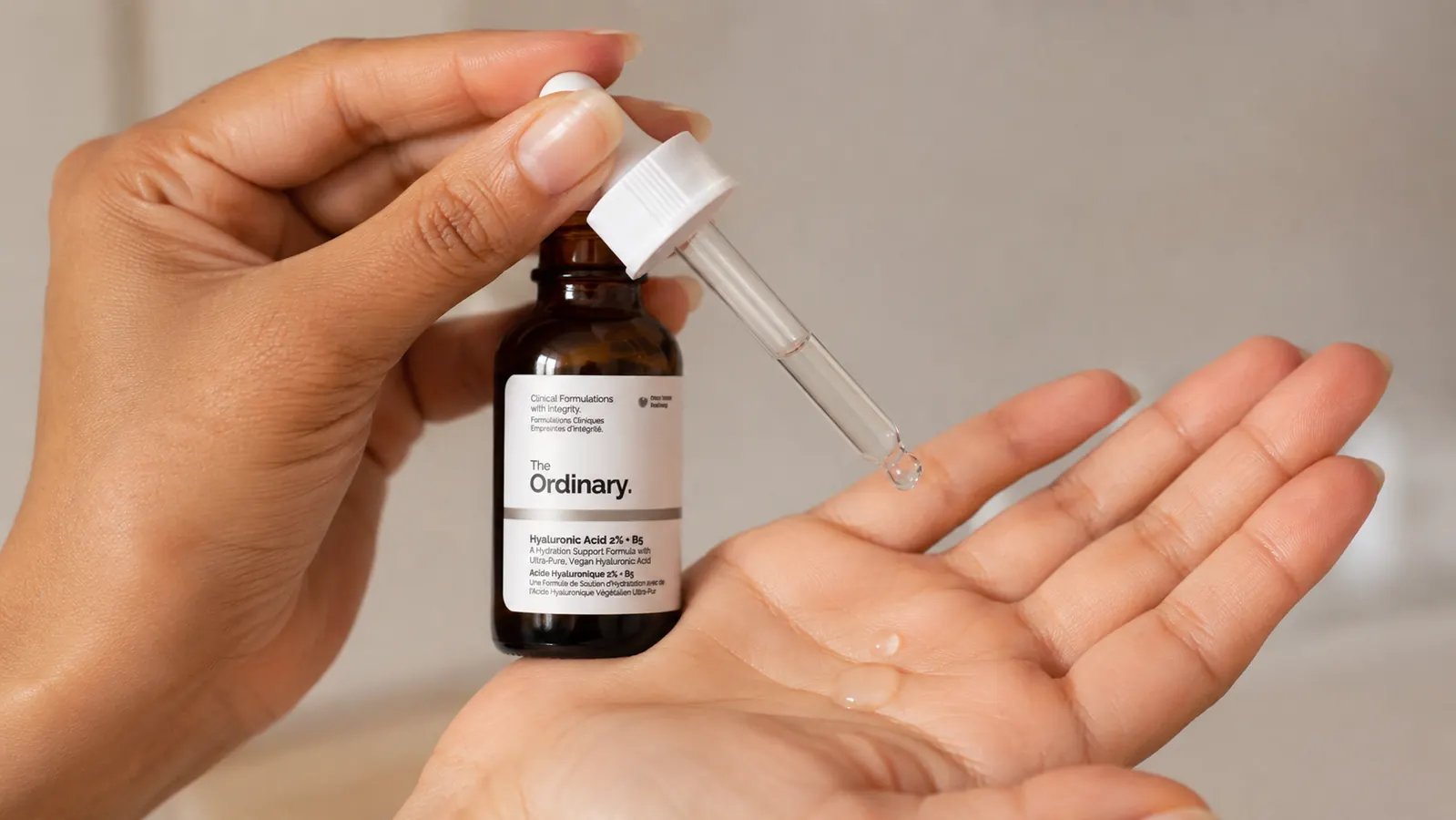
Where Neutrogena Hydro Boost Wins
Neutrogena Hydro Boost Water Gel wins on texture if you prefer a cream-like feel and want a single product to double as both hydration and light moisturizer. The gel-cream format is more immediately satisfying on skin. It spreads easily, feels comfortable within seconds of application, and some people find it more intuitive than working with a dropper serum. If your skin is on the drier end and you do not want to build a multi-step routine, Hydro Boost can reasonably stand in for both a serum and a lightweight moisturizer in one step.
Hydro Boost also tends to be easier to find in stores. If you run out and cannot wait for a delivery, it is available at most grocery stores, pharmacies, and big-box retailers. The Ordinary is sold online and through Sephora, but it is not quite as universally stocked. For some people, accessibility to refills matters as much as the formula itself.
The Ordinary HA does not compete with Hydro Boost on texture or feel. It competes on how it fits into a routine and what it costs to get there.
Texture and Feel: What to Actually Expect
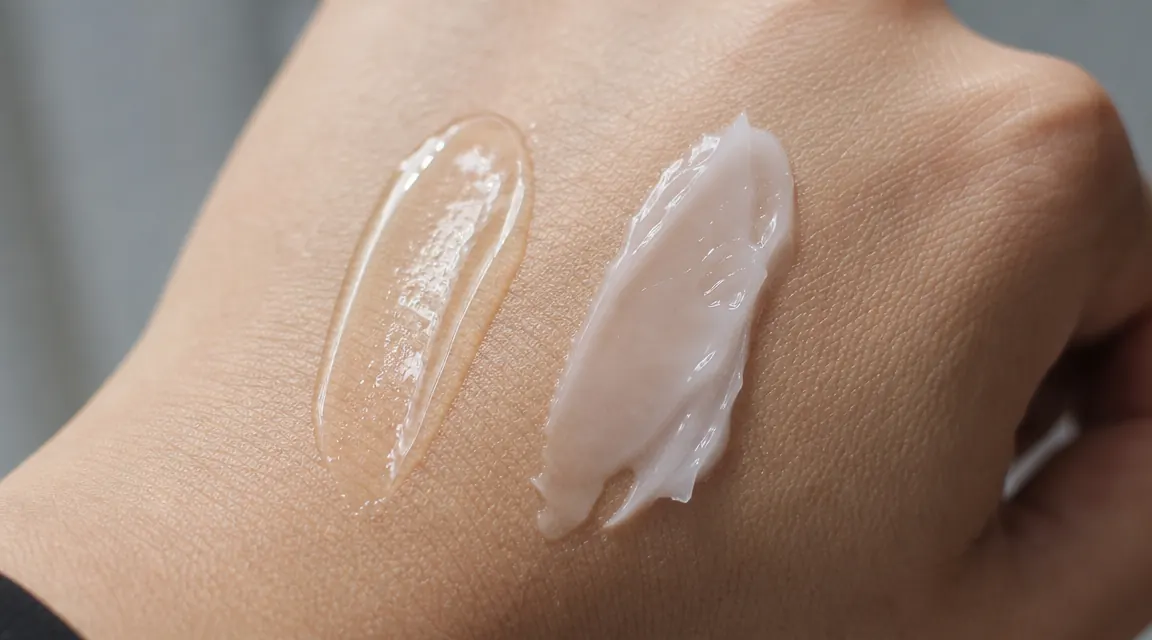
The Ordinary Hyaluronic Acid 2% + B5 is thin and watery. When you dispense two or three drops into your hand, it looks almost like water with a slight gel consistency. It spreads quickly and absorbs within about thirty seconds on damp skin. The finish is dewy without being greasy. If you apply it on completely dry skin, it can feel slightly sticky until a moisturizer goes on top, which is why I recommend applying it immediately after toner while the skin is still slightly damp.
Neutrogena Hydro Boost has a jelly-gel feel that is more obviously moisturizing on contact. It glides on, disappears relatively quickly, and leaves a smooth finish. On my combination skin, I noticed it felt slightly heavier on the oily zones than The Ordinary HA, even though both contain hyaluronic acid as the primary active. The dimethicone in Hydro Boost is likely responsible for that difference. Dimethicone is a silicone that locks moisture in and creates a protective film, which works well for dry skin but can feel suffocating on skin that already produces oil.
How the Formulas Actually Compare
Both products use hyaluronic acid, but the delivery is different. The Ordinary uses hyaluronic acid at multiple molecular weights. Larger HA molecules sit on the surface and form a moisture film. Smaller molecules penetrate deeper into the upper layers of skin. The brand calls this multi-depth hydration, and while that sounds like marketing language, the science behind molecular weight variation in HA is legitimate. The combination gives you surface plumping and deeper-layer hydration at the same time.
Neutrogena Hydro Boost uses hyaluronic acid and adds dimethicone as an occlusive. Dimethicone reduces water loss by sitting on top of the skin and slowing evaporation. It is effective, but it is a different mechanism than multi-weight HA. Hydro Boost is essentially doing two things: drawing in water and sealing it in. The Ordinary HA focuses almost entirely on the drawing-in part, which is why it works best under an occlusive moisturizer rather than on its own.
The ceramide addition in The Ordinary's updated formula gives it a slight edge for anyone dealing with a disrupted skin barrier, such as from retinol use, over-exfoliation, or harsh weather. Ceramides help restore the lipid layer that keeps irritants out and moisture in. Hydro Boost does not include ceramides. If barrier health is part of your skincare concern, that distinction matters. For a broader look at why a standalone HA serum may be more useful than an HA-enhanced moisturizer, the article below covers ten practical reasons to use one daily.
Long-Term Use: What Changed After Eight Weeks
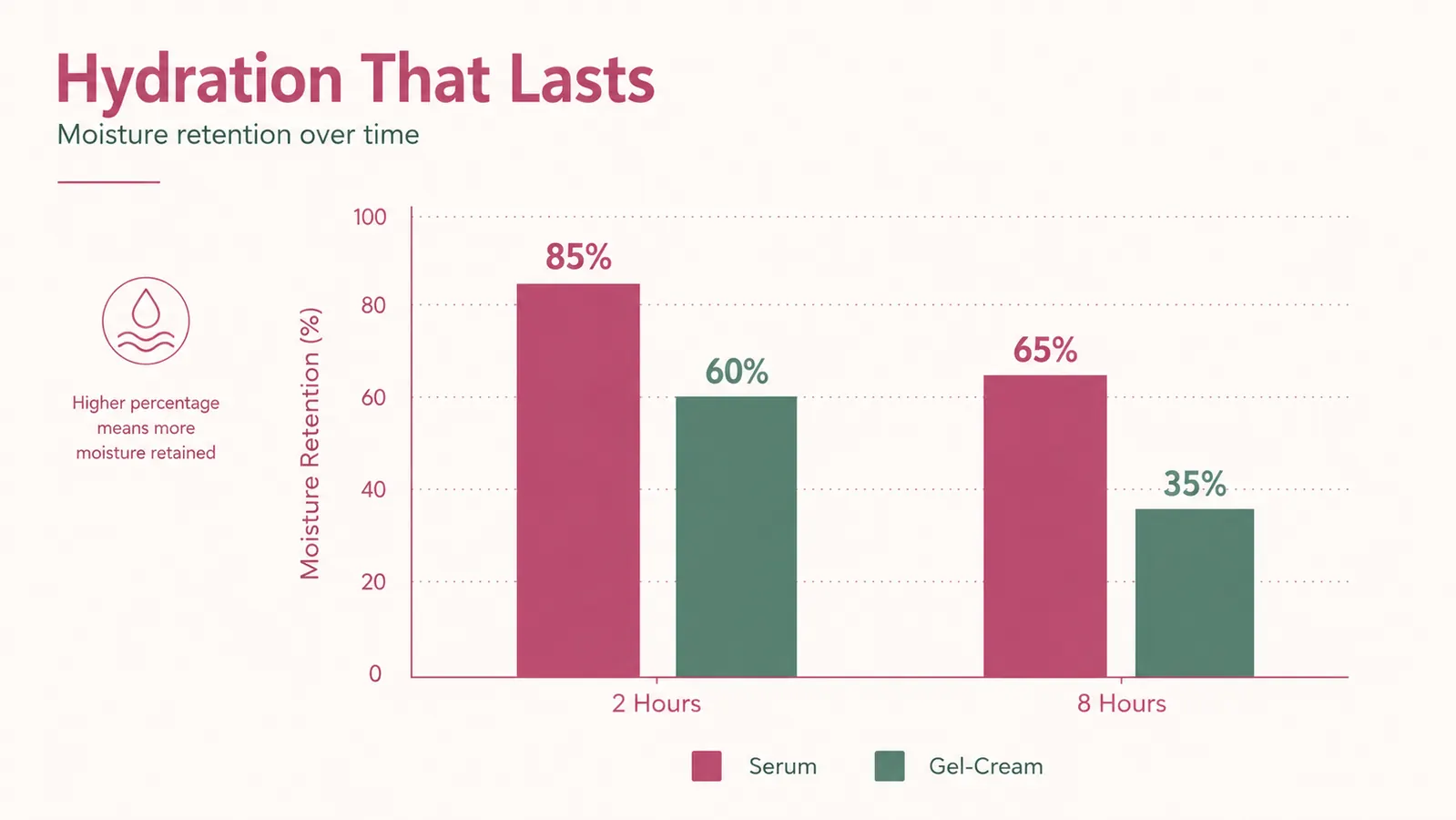
After eight weeks of using The Ordinary HA daily, morning and night, my cheeks held moisture noticeably longer through the afternoon. I used to reapply a hydrating mist around midday when I noticed tightness. I stopped needing it by week five. The texture of my skin felt softer and more supple on wake-up, which I attribute partly to the ceramides and partly to sustained, consistent hydration rather than a single impressive day of results.
Hydro Boost provided immediately noticeable comfort on application, particularly in the evenings. It felt more 'done' as a skincare step, in the sense that you could feel the product working. But over four weeks of alternating it with The Ordinary HA, I did not see a meaningful difference in daytime comfort between the two. Both kept my skin comfortable. The Ordinary HA simply cost less than half as much and stacked more cleanly into the rest of my routine.
Who Should Buy Which
Buy The Ordinary Hyaluronic Acid 2% + B5 if you already have a moisturizer you like and want to add a hydration step underneath it. Buy it if you have a multi-step routine and need something thin enough to go between toner and moisturizer without disrupting the layers. Buy it if your skin is oily, combination, or sensitive, and you want the ceramide support without paying for a premium ceramide serum. Buy it if you want to spend under ten dollars and not think much more about it.
Consider Neutrogena Hydro Boost instead if you want a single product that covers hydration and light moisturizing in one step. It suits normal to dry skin that does not produce excess oil. It also makes sense if your routine is minimal, you travel often and want fewer bottles, or you prefer a cream texture over a thin serum. It is not a bad product. It just does not fit as many routines as The Ordinary HA does, and it costs more for the privilege.
You probably do not need to overthink this. The Ordinary HA works, it costs almost nothing, and it is available right now.
The Ordinary Hyaluronic Acid 2% + B5 with Ceramides has a 4.7-star rating from over 36,000 buyers. If you want a clean, effective hydration serum that slots into any routine, this is it.
Amazon Check Today's Price on Amazon →