
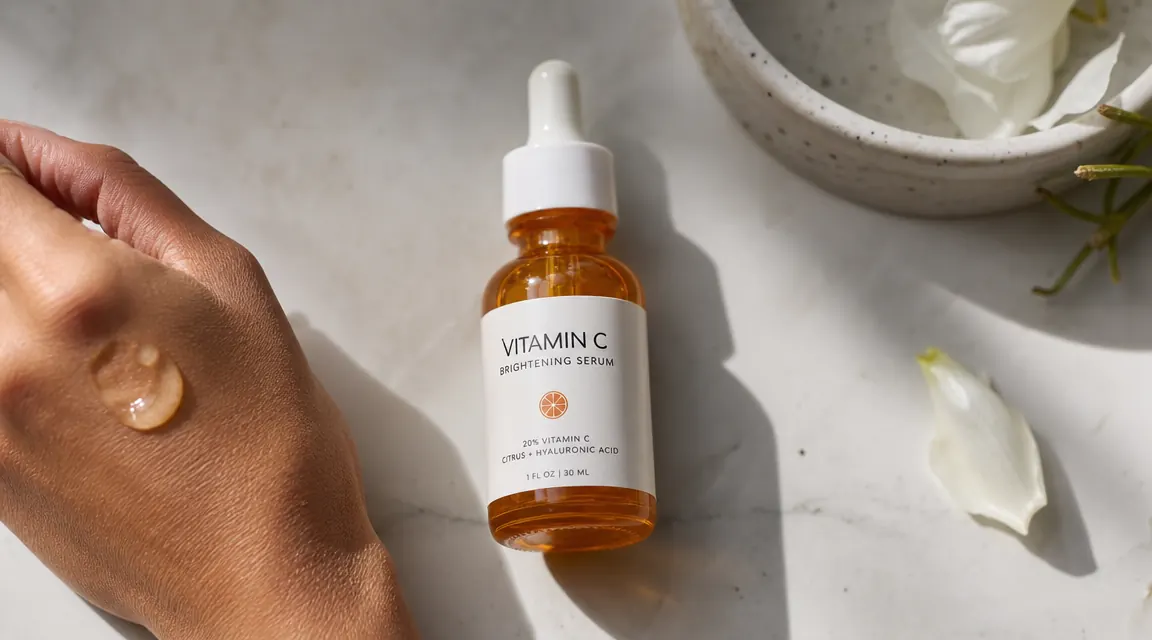
Most people who skip vitamin C serums do so because they tried one that smelled like copper pennies, separated in the bottle, or stung on application. That is a formulation problem, not a vitamin C problem. When the ingredient is stabilized correctly and paired with the right supporting actives, it is one of the most well-studied brightening ingredients available without a prescription. We put together this list because the benefits are specific enough to matter, and knowing exactly what you are trying to fix makes it easier to stay consistent.
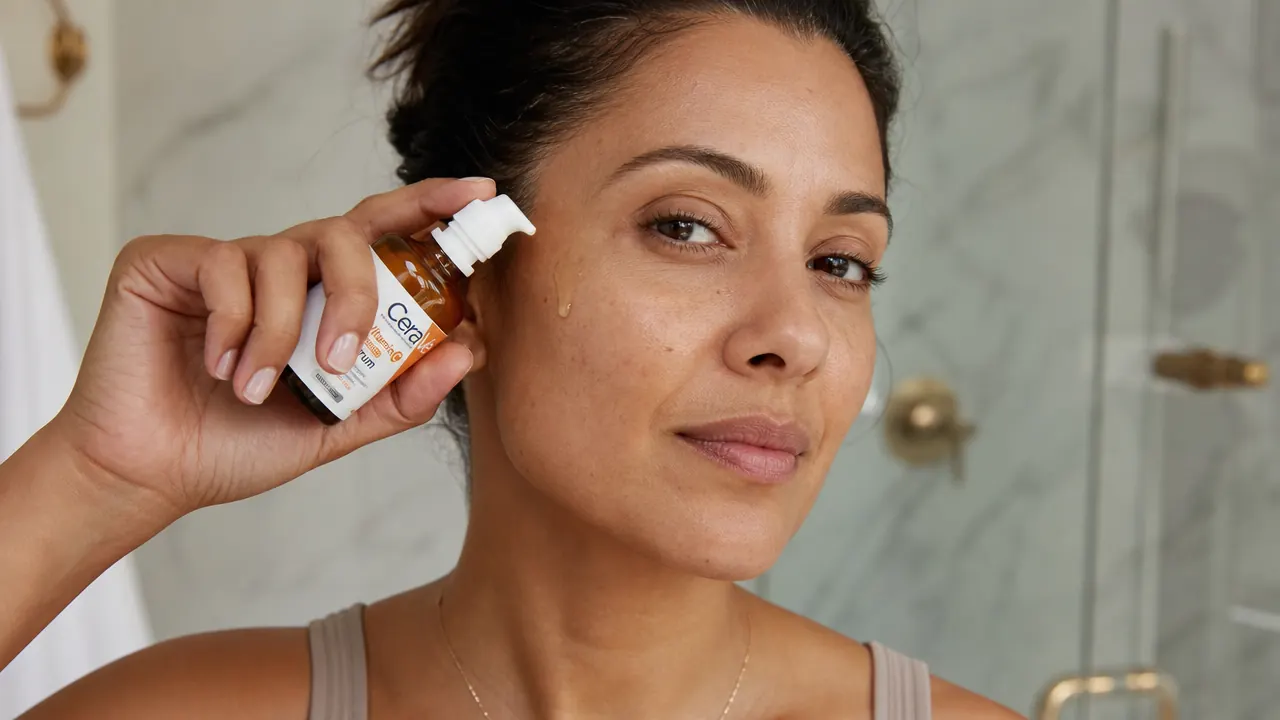
Throughout this list we keep coming back to the CeraVe Vitamin C Serum, which uses 10% pure L-ascorbic acid alongside hyaluronic acid and three essential ceramides. It is not the flashiest formula on the market, but it covers the common reasons people abandon vitamin C (irritation, barrier disruption, instability) while still delivering a meaningful concentration of the active.
If dull, uneven skin is your main complaint, this is the serum to start with.
CeraVe's formula combines 10% vitamin C with ceramides and hyaluronic acid so you get brightening without stripping. Over 43,000 Amazon reviews and a 4.5-star rating back it up.
Amazon Check Today's Price on Amazon →It Fades Post-Acne Dark Spots Without Bleaching Agents
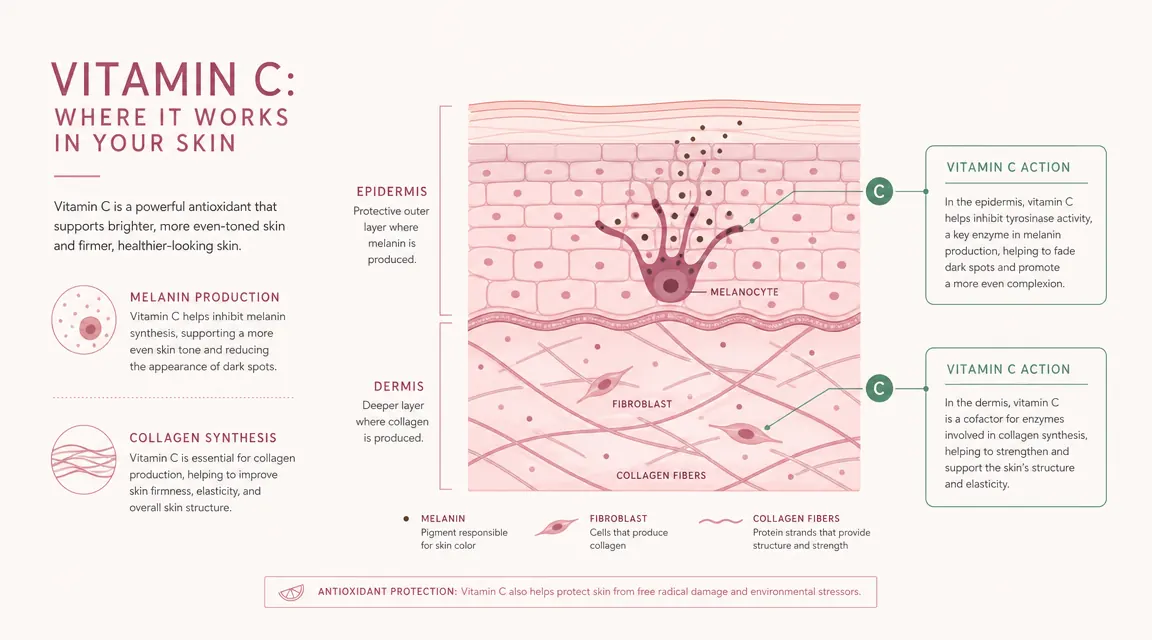
Post-inflammatory hyperpigmentation, the flat brown or purple marks left after a breakout, persists because melanin production stays elevated even after the underlying inflammation clears. Vitamin C inhibits tyrosinase, the enzyme responsible for melanin synthesis. The result is a gradual lightening of existing marks over eight to twelve weeks of consistent morning use. This works on all skin tones without the photosensitivity risks associated with hydroquinone. The CeraVe serum delivers its L-ascorbic acid in a lightweight, water-based gel that absorbs without residue, which matters when layering over a spot treatment or under SPF.
It Supports Collagen Production Over Time
L-ascorbic acid is a required cofactor for the enzymes that stabilize collagen fibers in the dermis. Without adequate vitamin C, collagen synthesis is incomplete and the resulting fibers are structurally weaker. Daily topical application does not replace the collagen you have already lost, but it gives your skin's existing collagen machinery what it needs to keep building. The effect is cumulative, meaning you will not see it in week one, but skin that has been on vitamin C for six months tends to look firmer and smoother around the cheekbones and jawline.
It Neutralizes Free Radical Damage from UV and Pollution
UV radiation and air pollution generate free radicals on the skin's surface and just below it. These unstable molecules damage cell membranes, break down collagen, and trigger inflammation that accelerates visible aging. Vitamin C is a potent antioxidant that donates an electron to neutralize free radicals before they can cause that downstream damage. It does not replace sunscreen, but it adds a meaningful second layer of defense, especially useful on days when reapplication is not practical. The CeraVe serum layers cleanly under mineral sunscreen without pilling.
It Evens Out Skin Tone Without a Prescription
Uneven skin tone from sun damage, old scarring, or hormonal changes is one of the top reasons people seek dermatology appointments. A consistent vitamin C serum is often the first recommendation before prescription-strength options because it improves overall luminosity while the tyrosinase-inhibiting effects work on specific dark areas. For most people with mild to moderate uneven tone, eight weeks of daily vitamin C produces a visible difference. Beyond that, the improvement is steady rather than sudden.
It Works on Sun Spots as Well as Post-Acne Marks
Solar lentigines, commonly called sun spots or age spots, involve the same tyrosinase pathway as post-acne marks, so vitamin C addresses both simultaneously. Sun spots tend to respond more slowly than post-acne pigmentation because the melanin is deeper and the cause (cumulative UV) is ongoing rather than resolved. Pair the serum with a reliable SPF every morning and stop the ongoing trigger while the vitamin C works on what is already there. CeraVe packages its serum in an opaque bottle that protects the L-ascorbic acid from light-induced oxidation, which is a practical advantage for daily bathroom shelf storage.
Vitamin C does not work in a week. It works over months, and then one day you look at a photo from six months ago and realize what actually changed.
It Strengthens a Compromised Skin Barrier When Formulated Correctly
This is where formulation really matters. Straight L-ascorbic acid at low pH can irritate a damaged barrier, which is why many people associate vitamin C serums with stinging and redness. The CeraVe formula addresses this directly by combining the vitamin C with ceramides (ceramide NP, ceramide AP, and ceramide EOP) and hyaluronic acid. The ceramides help reinforce the moisture barrier, so the serum is delivering brightening actives and barrier support in the same step. For people with dry or sensitive skin who have historically been told to skip vitamin C, this type of formulation is worth revisiting.
It Adds Glow Without Shimmer or Highlighter
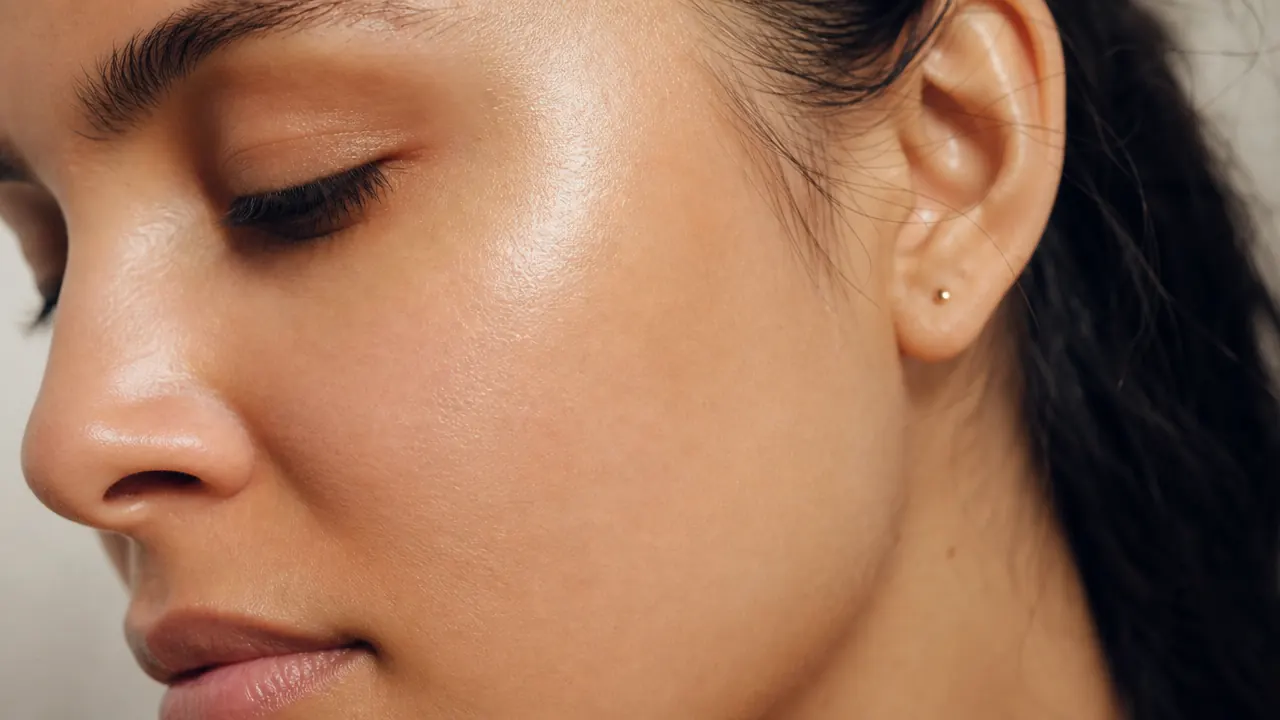
The dullness most people notice in their skin is partly a reflection issue: dehydrated, damaged surface cells scatter light unevenly. Vitamin C's brightening mechanism improves actual melanin distribution over time, but the hyaluronic acid component of a well-formulated serum also plumps surface cells enough to reflect light more uniformly. The result reads as a healthy glow in photos and under artificial light. It does not come from shimmer particles or optical diffusers. It is a change in the skin itself, which is why it holds up in all lighting conditions.
It Layers Cleanly in a Morning Routine
A serum that disrupts the rest of your stack is not worth the trouble. Vitamin C in a water-based, low-viscosity gel absorbs quickly and creates a smooth base for moisturizer and SPF. The CeraVe formula has a gel-cream texture that sinks in within about sixty seconds on dry skin. It does not leave tackiness or any film that causes sunscreen to pill. That matters in a morning routine where you are applying four or five products in sequence and need each layer to settle before the next.
It Is Stable Enough for Consistent Daily Use
Vitamin C oxidizes in light, air, and heat, turning orange or brown and losing its activity. A serum that degrades on your shelf before you finish the bottle is money wasted. CeraVe uses opaque packaging and a formulation that includes vitamin E and ferulic acid as co-antioxidants, which have been shown to stabilize L-ascorbic acid and extend its effective shelf life. You can store it on a bathroom counter in normal household temperatures without watching for color changes or separating out a dedicated refrigerator shelf for a serum.
It Is One of the Lowest-Risk Actives to Start With
Compared to retinol (which carries a real risk of a purge phase and barrier disruption), chemical exfoliants (which require careful frequency management), or prescription-strength ingredients (which need a provider involved), vitamin C has a short list of precautions. Use it in the morning, apply SPF after, avoid mixing the same morning with benzoyl peroxide or copper peptides, and you are largely covered. For someone building a routine from scratch or cautiously adding a first active, it is a logical starting point with a well-understood benefit profile.
What I Would Skip
Vitamin C serums that have already started oxidizing, indicated by an orange or yellow tinge in what should be a clear or very pale yellow formula, are not worth using regardless of price. Oxidized ascorbic acid does not brighten and may contribute to free radical activity rather than neutralizing it. If a serum arrives discolored or turns within a few weeks, the packaging or formulation is the problem. The CeraVe serum has stayed clear through the full bottle in my experience, which is a reliable signal of good formulation and appropriate packaging. I would also skip serums that list vitamin C derivatives (ascorbyl glucoside, magnesium ascorbyl phosphate) as the primary brightening agent if your main concern is fading stubborn dark spots. Derivatives are gentler and may suit sensitive skin, but they require conversion in skin to active L-ascorbic acid and the evidence for dark spot fading is thinner. If you can tolerate straight L-ascorbic acid, it remains the best-studied option.
Oxidized vitamin C is not neutral. It is actively working against you. Clear packaging on a bathroom shelf is a problem, not a style choice.
Ready to add a vitamin C serum that handles brightening and barrier support in one step?
The CeraVe Vitamin C Serum is one of the most practical formulas on the market at this price point. Stable L-ascorbic acid, ceramide support, and a texture that works in a real morning routine. Check the current price on Amazon before restocking.
Amazon Check Today's Price on Amazon →