
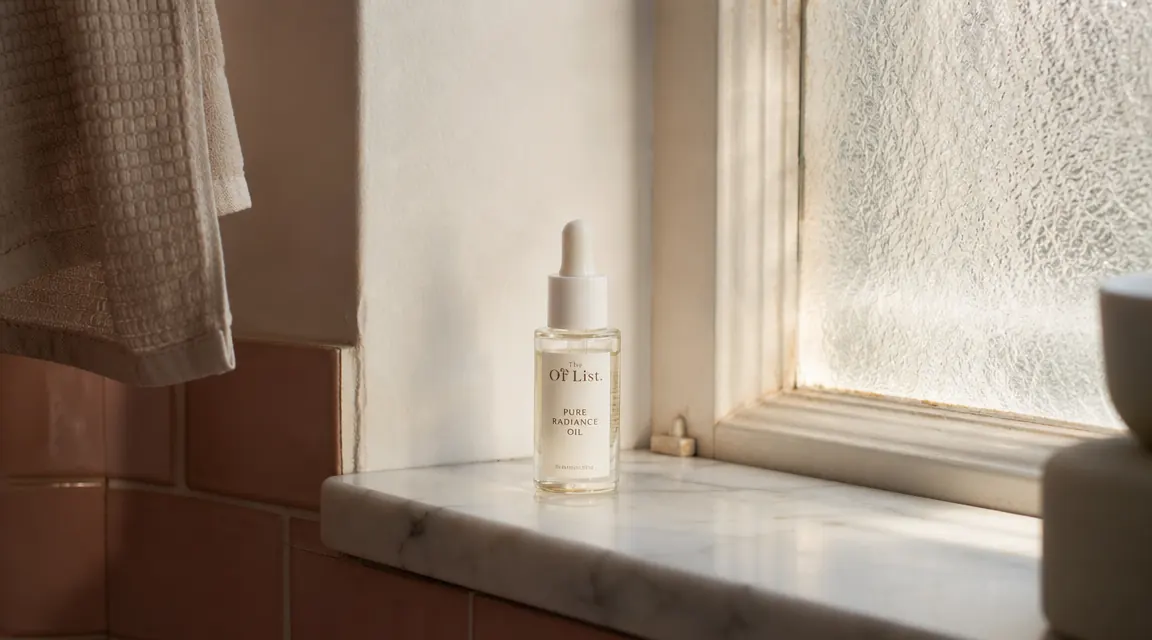
I spent two years thinking hyaluronic acid was overrated. I had tried three different serums, applied them after cleansing on a dry face the way I applied everything else, and my skin stayed tight and dull by midday. It was only when a colleague who formulates skincare for a living watched me do my routine and said, quietly, 'You're applying it wrong,' that I understood the problem. Hyaluronic acid is a humectant. It draws moisture from its surroundings. If those surroundings are dry air and dry skin, it pulls from you. Applied correctly, it holds water against your skin all day. Applied incorrectly, it works against you.
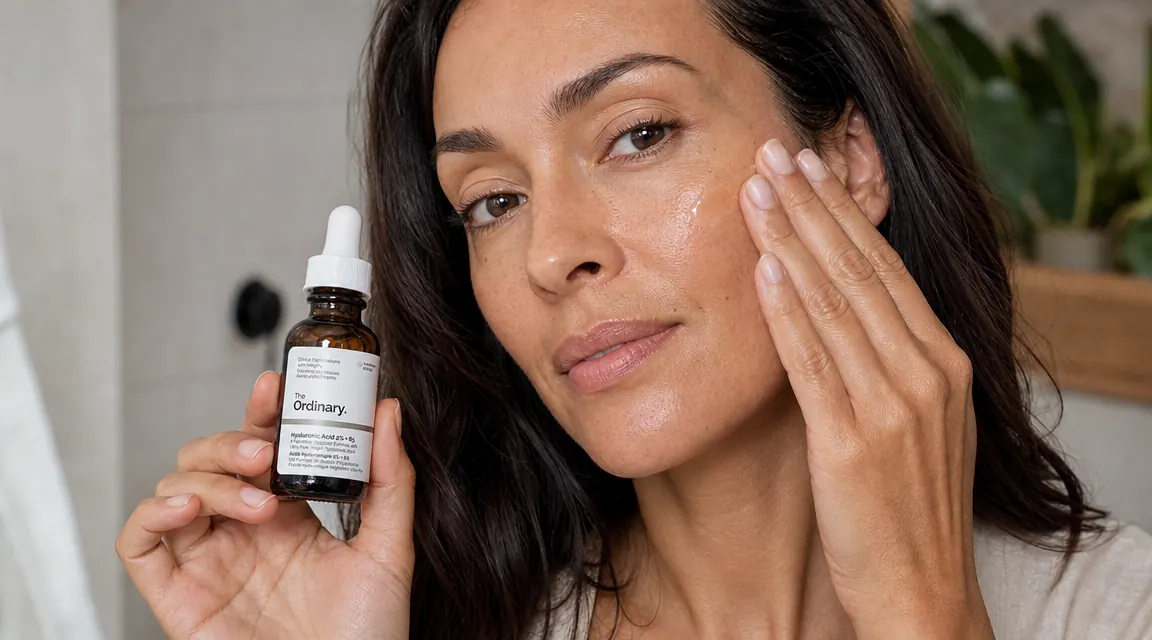
The serum I switched to once I corrected my method is The Ordinary Hyaluronic Acid 2% + B5. It costs under ten dollars, contains three molecular weights of hyaluronic acid plus vitamin B5 for barrier support, and has over 36,000 ratings on Amazon at 4.7 stars. The formula is not the variable that was failing me. The application method was. This guide walks through exactly how to use a hyaluronic acid serum so the ingredient does what it is supposed to do.
Your skin is dry not because hyaluronic acid doesn't work, but because of when and how you're applying it.
The Ordinary Hyaluronic Acid 2% + B5 has three molecular weights to hydrate at different skin depths, plus vitamin B5 to strengthen your barrier. Under $10, and it works correctly once you follow the method below.
Amazon Check Today's Price on Amazon →Step 1: Cleanse with Lukewarm Water and Pat Skin Until Just Barely Damp
Start with a gentle cleanser suited to your skin type. The water temperature matters more than most guides say. Hot water strips the lipid barrier, which means your skin is already compromised before the serum arrives. Lukewarm is the target. After rinsing, use a clean towel to pat, not rub, your face. Stop before your skin is fully dry. You want a slight surface dampness remaining, not dripping wet, but not bone dry either. This residual moisture is what the hyaluronic acid will work with.
If you live somewhere with very low humidity, a damp face alone may not be enough moisture for the serum to bind to. In that case, finish cleansing, then use a facial mist or a few drops of water spritzed onto your face before applying the serum. The goal is the same: giving the humectant something to grab onto that is not your deeper skin layers.
Step 2: Apply Three to Four Drops of Serum to Slightly Damp Skin
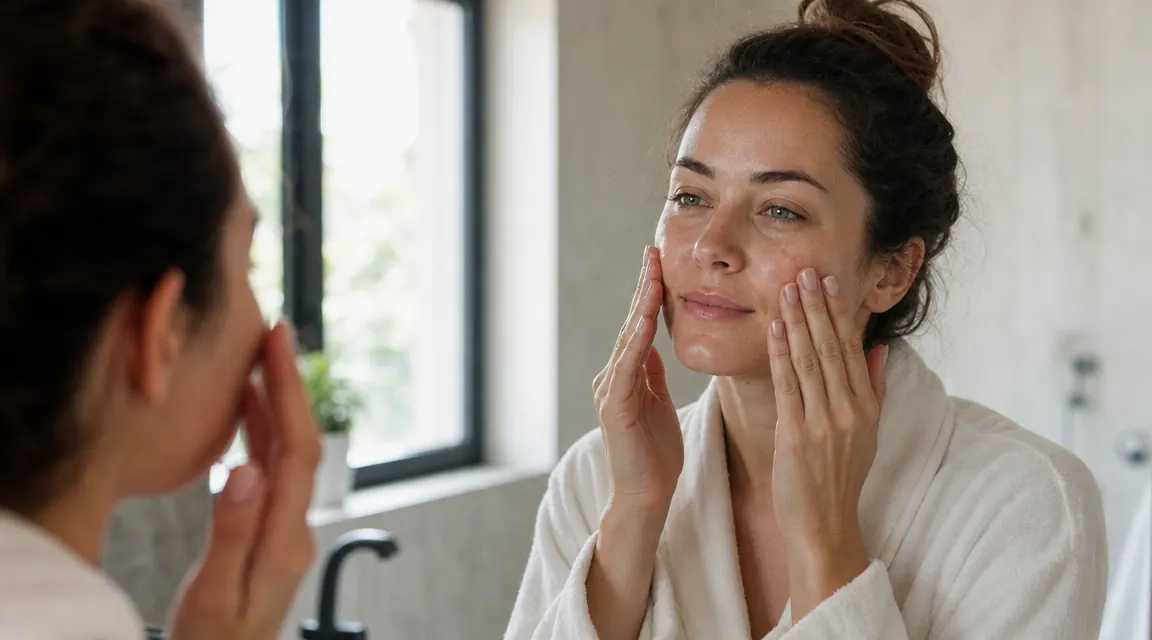
Dispense three to four drops of The Ordinary Hyaluronic Acid 2% + B5 onto your fingertips or directly onto your palm. The serum is thin and water-like, so it spreads easily. Press it onto your face using your fingertips rather than rubbing. Work from the center of your face outward, pressing gently into the skin rather than dragging across the surface. The pressing motion pushes the product into the skin rather than moving it around the surface.
Cover your full face, neck, and the upper chest if those areas are also dry. The Ordinary's formula absorbs without stickiness or residue, so you will feel the skin go slightly tacky for thirty to sixty seconds and then settle. Do not skip the neck. That skin loses moisture at the same rate as the face and benefits from exactly the same treatment.
One thing I noticed when I made the switch from rubbing to pressing: the product went further. Rubbing creates friction that causes evaporation before the serum can penetrate. Pressing does the opposite. Three drops now cover my full face and neck where before I was using six and still feeling tight.
Step 3: Wait Sixty Seconds Before Applying the Next Layer
Skincare layering fails most often because of impatience. Hyaluronic acid needs approximately sixty seconds to begin binding to the moisture on the skin's surface. If you immediately apply a moisturizer on top, you are pushing the serum around before it has settled, and the occlusive ingredients in the moisturizer may prevent absorption rather than seal it in. Set a timer if you have to. Sixty seconds is not long, but it is the difference between the serum working and the serum sitting uselessly between product layers.
During this sixty seconds you can do something else: mist lightly again if you feel the serum is drying too fast, or simply move on to brushing your teeth. The wait is not precious time lost. It is part of the method.
Step 4: Seal with a Moisturizer While Skin Is Still Slightly Tacky
Hyaluronic acid is a humectant, not an occlusive. On its own, it draws moisture to the skin's surface but cannot prevent that moisture from evaporating into the air. This is the step most people skip and the reason they blame the serum when their skin still feels dry an hour later. You need a moisturizer on top to seal everything in. Apply your regular moisturizer while your skin still feels very slightly tacky from the serum, meaning within two minutes of applying the serum. The moisturizer's emollients and occlusives create a layer that traps the moisture the hyaluronic acid pulled in.
For oily skin types, a lightweight gel moisturizer works well here. For dry or combination skin, a cream-based moisturizer with ceramides will give better results. The pairing matters. A hyaluronic acid serum under a rich ceramide cream will outperform either product used alone.
Hyaluronic acid is a humectant, not a moisturizer. It draws water to the skin surface but cannot stop it from evaporating. Sealing with a moisturizer immediately after is not optional. It is the step that makes the whole method work.
Step 5: Finish the Morning Routine with SPF
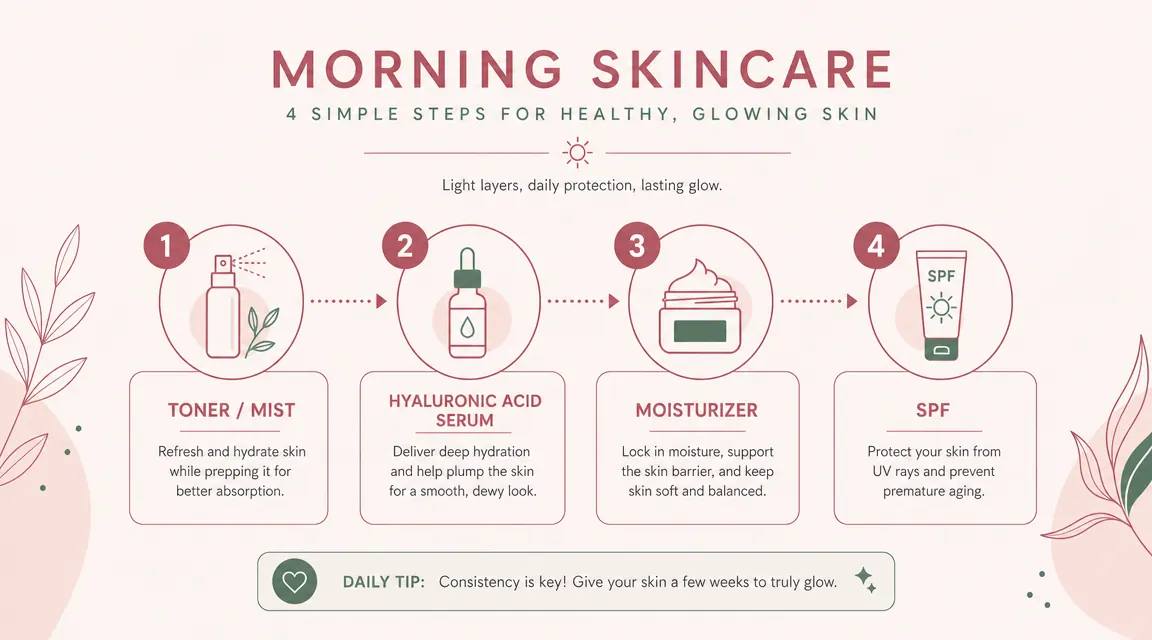
This step belongs in every morning routine regardless of what serums you use, but it matters especially after hyaluronic acid. A properly hydrated, well-sealed skin barrier is more effective at resisting UV damage, and protecting it with SPF preserves the moisture you have just worked to put in. Apply a broad-spectrum SPF 30 or higher as the final step in your morning routine, after the moisturizer has had a moment to settle.
Do not skip SPF on overcast days. UV radiation penetrates cloud cover. And do not let SPF application disturb the layers underneath by rubbing aggressively. Use the same pressing or patting motion you used with the serum, working from the center of the face outward. If you find that SPF products pill or ball up on top of your skincare, the most common culprit is insufficient wait time between the moisturizer and the SPF. Give each layer at least sixty seconds before adding the next.
What Else Helps
A few additional habits support the layering method and make a visible difference in how well the serum performs over time. First, humidity in your environment matters. If you sleep with the heat on in winter or in a very air-conditioned space, the surrounding air is dry and will work against your hyaluronic acid around the clock. A small humidifier near your bed, set to keep room humidity between 40 and 60 percent, significantly reduces overnight moisture loss from skin. I added one last winter and noticed a difference in how my skin felt in the morning within a week.
Second, consistency compounds. Hyaluronic acid is not an ingredient that produces a visible result the first day. Used correctly twice daily for two to three weeks, you will notice your skin holds moisture longer between applications, fine lines look less pronounced when skin is well hydrated, and your overall complexion looks less dull. Dehydration makes texture and pores look more prominent. Correcting it makes the surface look smoother without any resurfacing ingredient. Third, drinking enough water supports skin hydration from the inside, though it does not replace topical application. Think of the serum and internal hydration as complementary rather than interchangeable.
If you want a deeper look at the ingredient itself and whether The Ordinary's formula specifically delivers on its claims, I covered that in my full review. For a broader case for hyaluronic acid as a daily step regardless of skin type, see the companion article on why it belongs in almost any routine. Both go deeper on the science and the long-term results than this application guide can cover. The internal links below will take you there.
Internal links: The Ordinary Hyaluronic Acid Serum Review | 10 Reasons a Hyaluronic Acid Serum Should Be the First Step in Any Routine
If you have been skipping hyaluronic acid because it did not seem to do anything, the method above is likely why.
The Ordinary Hyaluronic Acid 2% + B5 is one of the few serums where the formula and the price both make sense. Apply it on damp skin, seal it, and give it two weeks. Most people notice a difference in how their skin holds moisture by day ten.
Amazon Check Today's Price on Amazon →